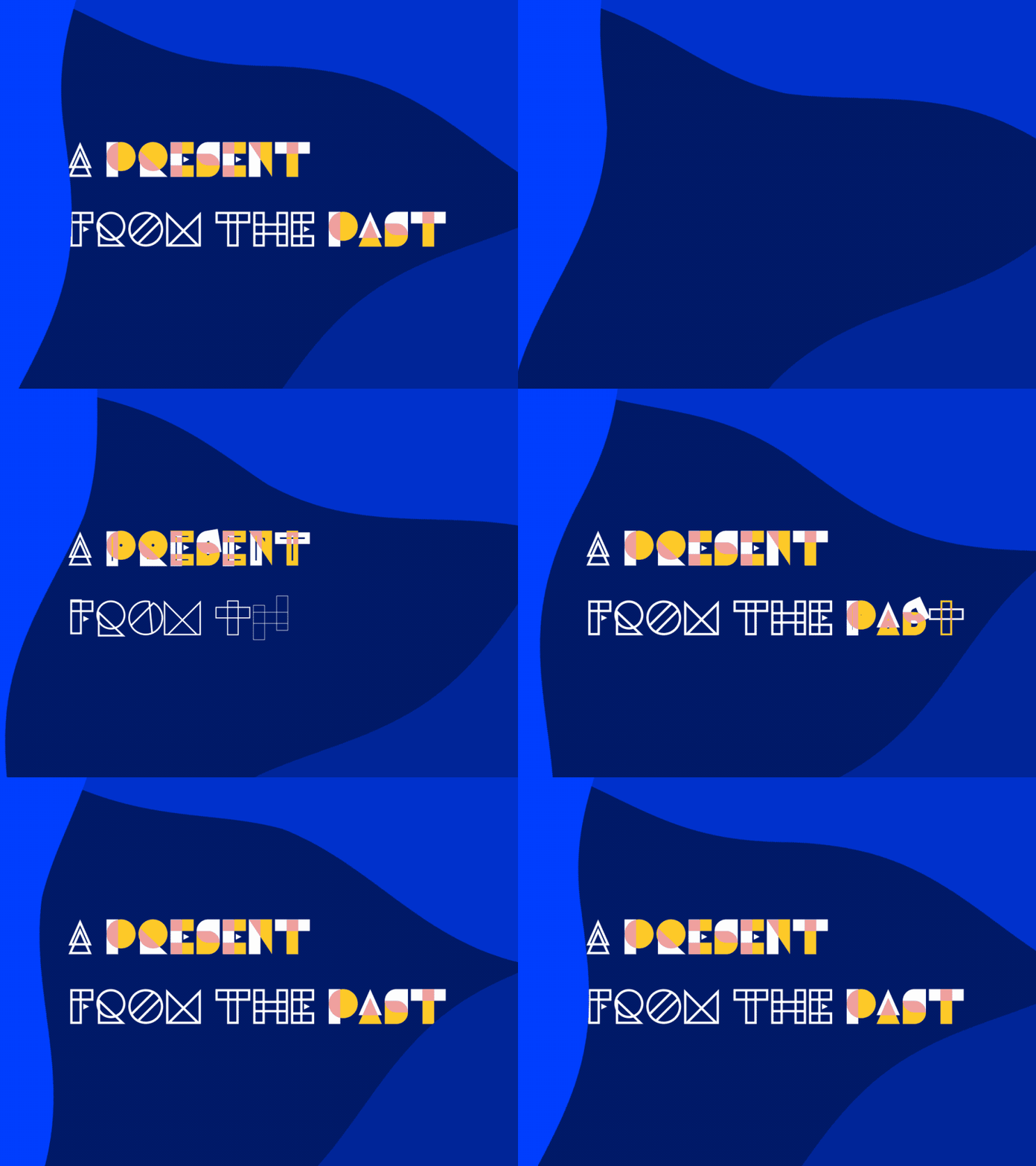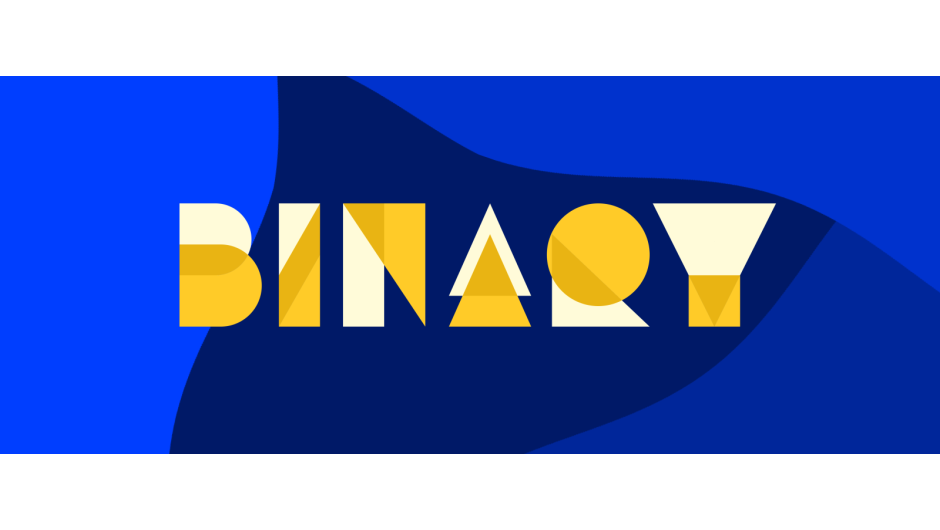
Binary is an animated typeface for motion graphics in After Effects. Each character uses two overlapping geometric shapes, and you can color the shapes and their overlap individually. Switch between solid and outlined styles, adjust stroke width, and control completion from 0 to 100%. Custom easing or bounce expressions can also shape the animation.
Choose it for animated titles, labels, or graphic phrases when its geometric construction and outline option fit the design.
Character set
The listed characters include uppercase A-Z, selected accented capitals, digits 0-9, and punctuation and symbols. Lowercase glyphs are not listed, so check the character set against the text you need to animate.
After Effects workflow
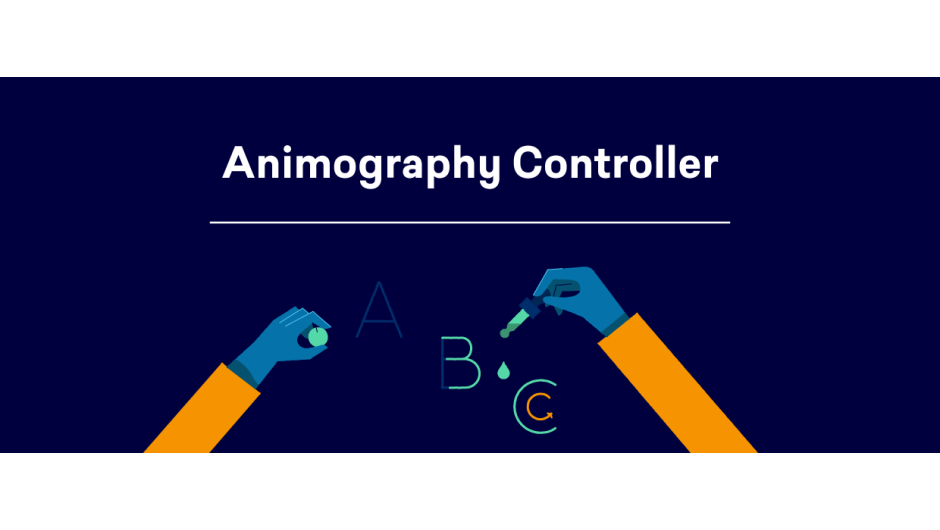
Binary includes a JSX typeface for Font Manager and an organized AEP file containing the animated characters. In Font Manager, you can type with Binary and set size, tracking, line spacing, text alignment and time offset; it automatically creates a controller for Binary's settings. Alternatively, the free Animography Controller lets you drag characters into a composition and parent the controller settings with one click. A seven-day trial covers glyphs A, B and C and requires Font Manager, which also has a free trial. An After Effects tutorial playlist covers the basics of working with animated typefaces.
Compatibility and license
The product listing names After Effects 2020-2024. Its license agreement says animated use requires a working After Effects installation, version CS6 or later; this does not confirm compatibility outside the listed range. Check with product support if you use another version.
After full payment, the license is non-exclusive and non-transferable. It permits use or storage on up to three computers at one location and allows one backup copy. If the typeface is accessible over a network, each user needs a valid license. When purchased on behalf of an employer, the employer remains the license holder, and the employee's right to use it ends when their employment does. Embedding the typeface in an electronic document or on a web page is permitted only when recipients cannot use it to edit or create a new document and cannot extract any part of it.