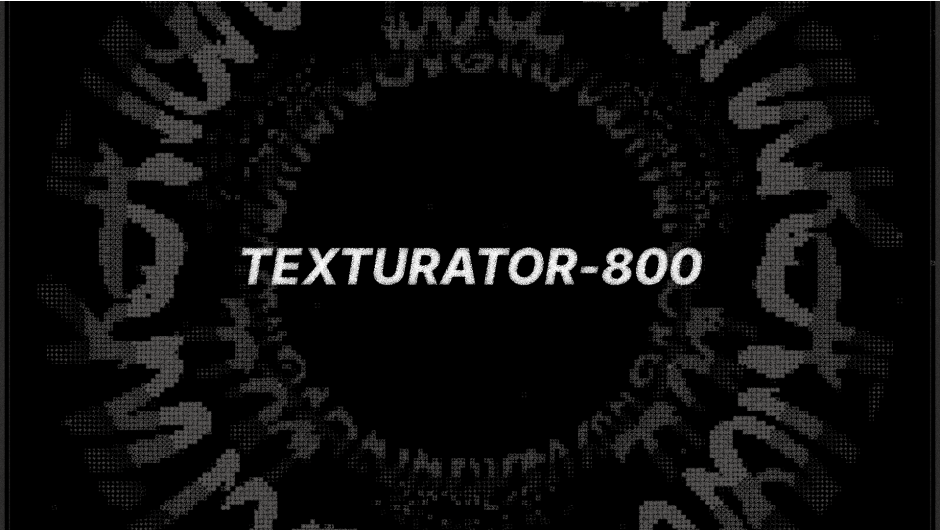
FX Texturator-800 DCTL is a three-layer pattern generator for DaVinci Resolve Studio. It builds tiling halftone and pixel-grid looks from footage, including CRT-style screens, Bayer sensor grids, and print-like halftones. Shape, size, rotation, luminance response, and output mode let you tune the pattern in one node.
Build a pattern from three layers
Each layer can use its own shape, size, and rotation, with general controls for size and rotation. The 1.0.1 release lists 13 pattern types, including circles, lines, triangles, squares, hexagons, octagons, decagons, two crosses, columns, screen pixels, and circular or square Bayer grids. Its built-in mosaic blur removes the need for a separate blur node or a manual Hard Mix setup.
Choose how the pattern meets the image
The four output modes are Mosaic Blur, Pattern, RGB Pixels, and Hard Mix. RGB Pixels colors the three layers from the underlying mosaic blur cell's red, green, and blue channels. Hard Mix combines a monochrome pattern with the monochrome mosaic blur; layer luminance controls which of five pattern shades appear, from an empty cell to a fully filled, colored tile. Luminance-dependent controls can also make pattern size or rotation respond to the source image.
Use it for screens, overlays, and graphics
Texturator-800 supports masks and a Transparent Background option for layered compositions. For a waveform HUD, the aescripts Oscillograph DCTL can generate waveform lines for Texturator-800 to pixelate. For a distorted grid, the vendor suggests placing Trippy DCTL before or after it. These are optional combinations with other tools.
Check the current version and terms
The vendor's version history lists 1.0.1, dated September 27, 2026, after the initial 0.1.0 release on May 20, 2024. The current compatibility notice requires DaVinci Resolve Studio 19.1 or newer and lists NVIDIA or Apple Silicon GPU support. It says this version and future versions will not run on earlier Resolve releases, so use the vendor listing to check compatibility before installing; the older Resolve 16–21 range in catalog data does not reflect that requirement.
The listing shows $39 as the suggested amount for its Name Your Own Price offer. Individual users may pay any amount; businesses and teams must pay the suggested amount for a valid license. Check the listing for current pricing and license terms.