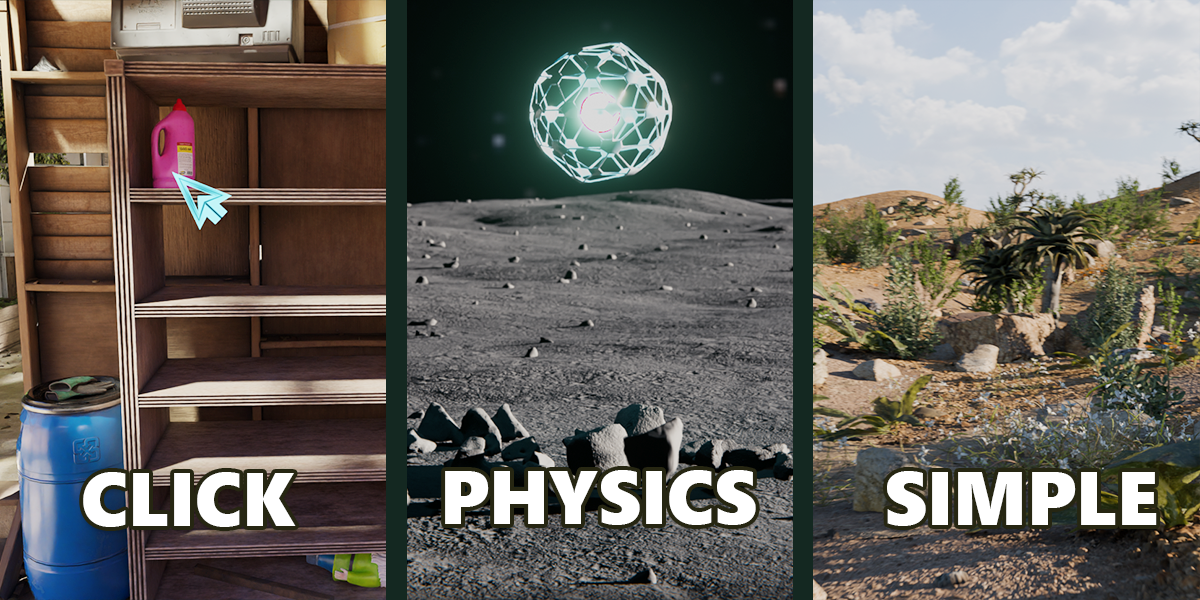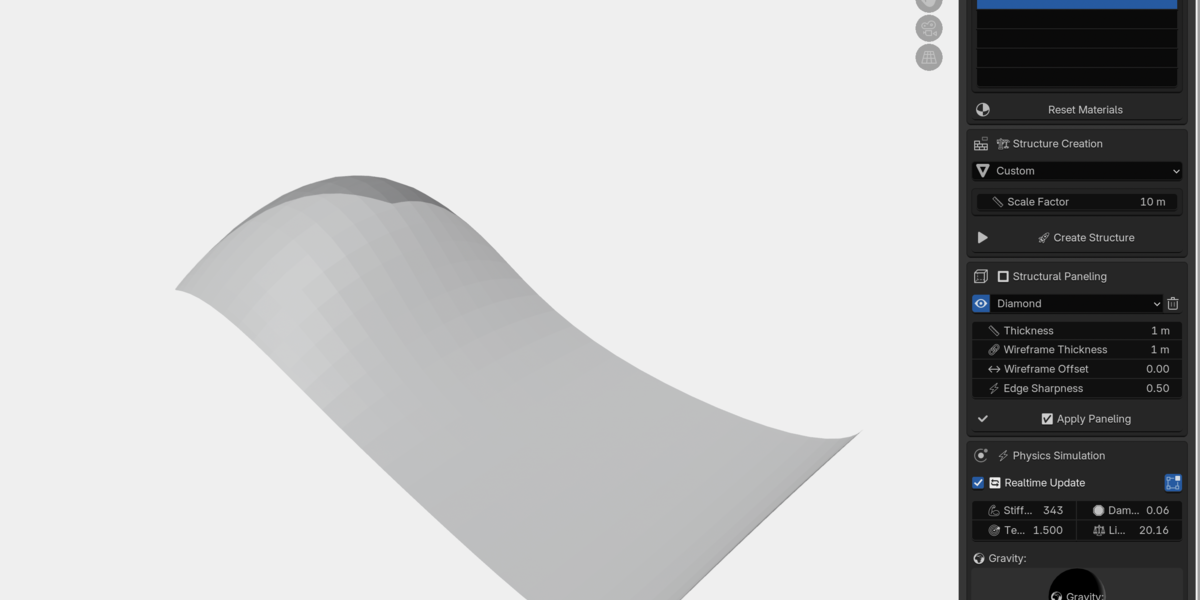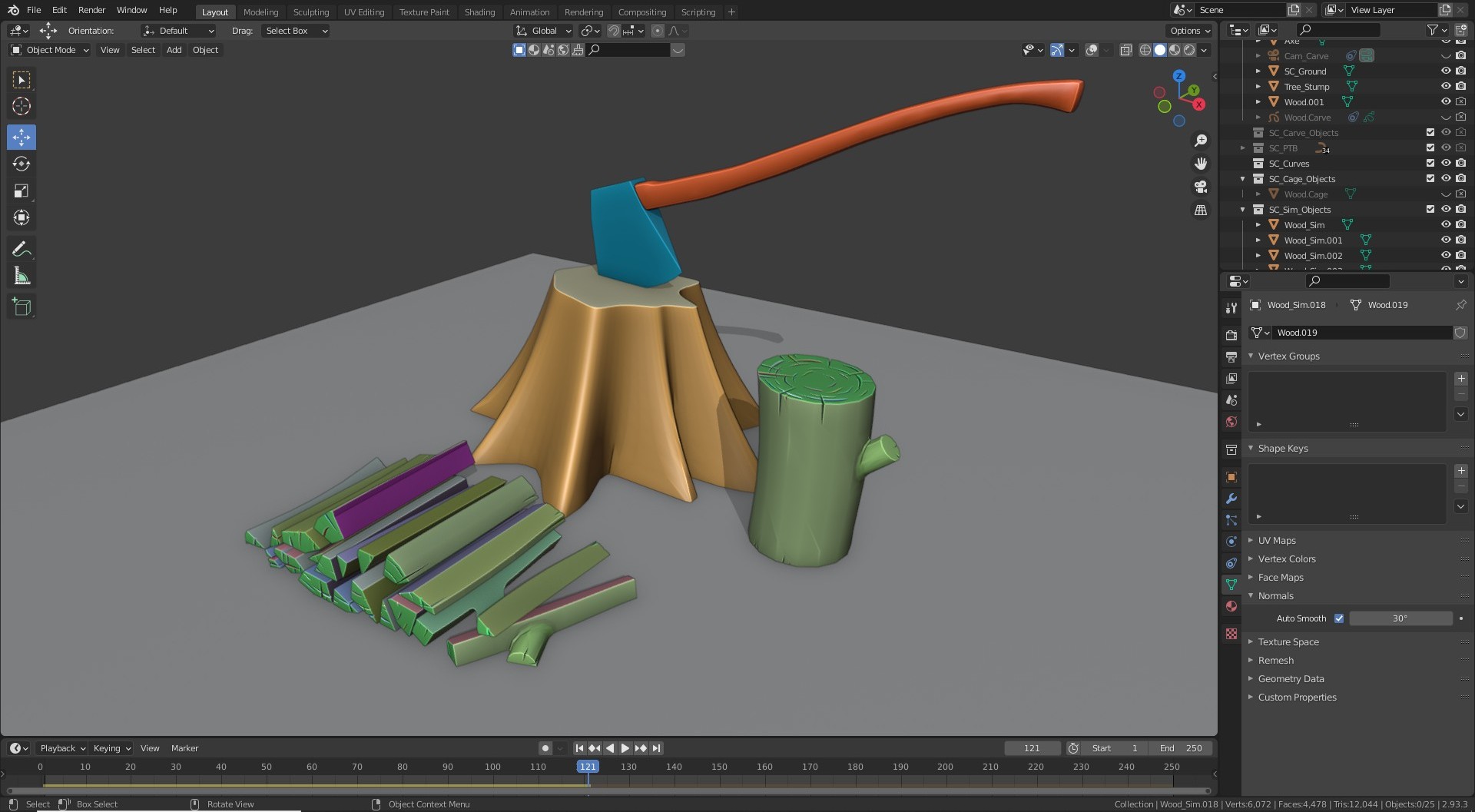
HairFlow is a Blender add-on that animates curves-based hair and fur with Blender's simulation node system. It simulates individual strands while retaining the shape of the original hair, with physics settings available in the modifier.
Control hair movement
Set wind strength and turbulence independently, adjust gravity, or use radial force and frizz for effects such as electric shocks and goosebumps. You can apply separate physics settings to different sections of the hair, such as shorter and longer strands. For collisions, select an object for the head or main part and an additional independent object.
HairFlow can also attach up to two objects to specific points on the simulated hair. They move and rotate with the hair, which can be useful for items such as hair ties.
What changed in version 1.2
The version 1.2 changelog lists transform corrections, improved physics, more precise collisions, Surface Deformation support and an improved proxy-hair workflow with interpolation. The add-on works with curves generated through modifiers and with finished hair that has no Geometry Nodes. It can also animate fur on animals.
The 1.2 changelog adds Surface Deformation support. The current product listing also describes support for most third-party geometry node-based deformation modifiers. Put the simulation modifier last in the stack so it can calculate the deformations produced by preceding modifiers.
Preview and bake the simulation
Use proxy hair to inspect changes with fewer hairs in the calculation. Interpolation can restore the higher strand count while reducing calculation time and bake size. HairFlow bakes through Blender's Physics Properties tab. The product listing warns that a shot's simulation data can take several gigabytes and increase RAM use, since Blender does not support compressed baking files for geometry-nodes-based simulations.
Check compatibility for the release you install
The current HairFlow product listing marks the add-on Blender 5 Ready and lists Blender versions 4.0–5.2. Its release history places Blender 5.2 support in version 1.25, which came after version 1.2. Check the requirements for the specific release you plan to use.