Panjea is a node-based logic editor for Blender, designed for making animations and interactive content. Its Superhive product listing describes a workflow that combines node logic with Python scripting and custom nodes. The listing names Blender 2.79, 2.83 and 2.9; check the current documentation before installing it with a newer release.
Node logic, Python and custom tools
Panjea lets users create custom nodes with Python through an API that the product documentation says abstracts details of the Blender version. The documentation also describes Python-to-JavaScript translation. These features give Blender users ways to work with code alongside the node editor and extend its functionality.
Mapping language and web export
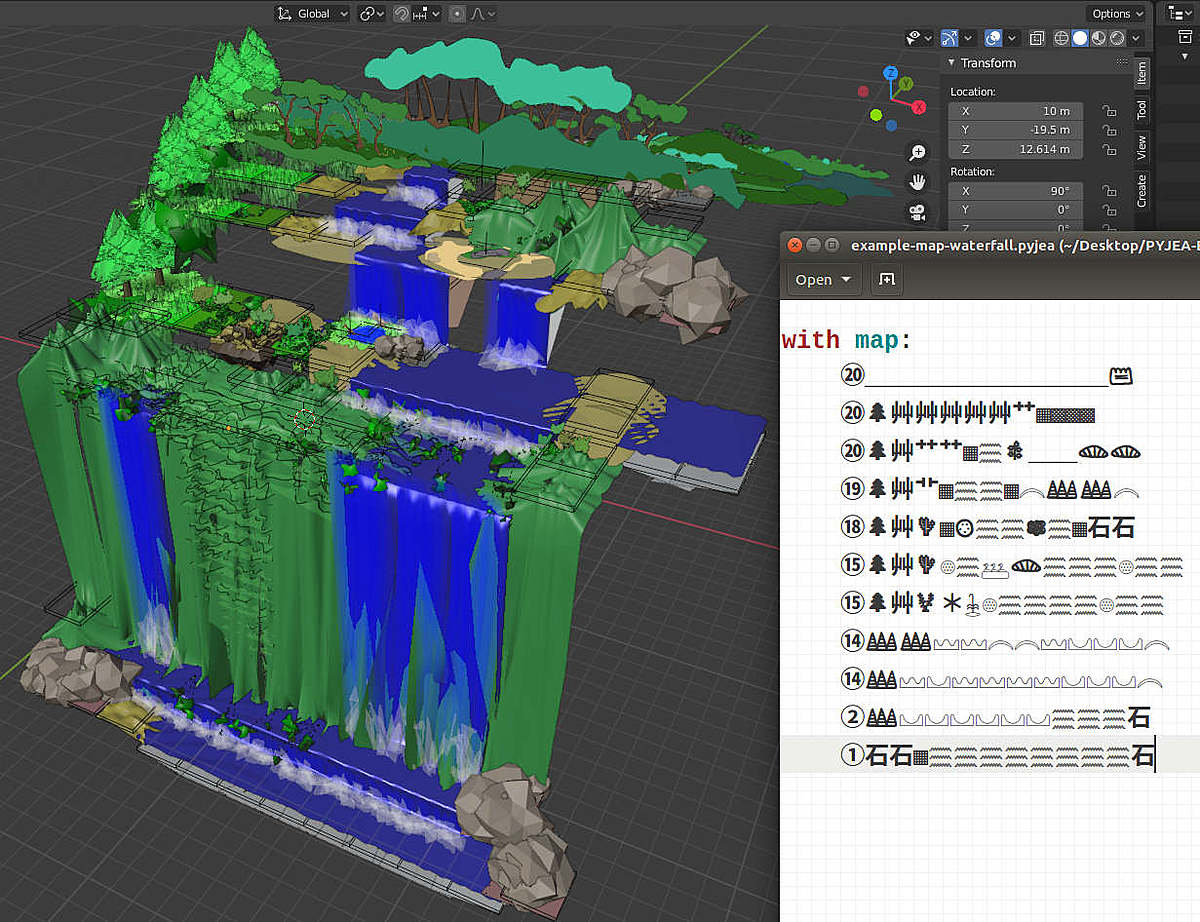
Panjea includes a tile-mapping micro language based on Rich Text Format. The product materials list imports from LibreOffice, Calligra Words and Microsoft Office, and say users can extend the mapping language and editor. A simplified Python dialect called Pyrillic is included for people learning to code.
The product listing describes optional export to THREE.js on Panjea.com. The available product materials do not explain the export steps or which project features carry over, so review the documentation before relying on it for a particular web project.
Compatibility and license
The listing names Blender 2.79, 2.83 and 2.9, and its overview describes support for the 2.8x and 2.9x series. It identifies Eevee as the render engine used, and lists Ubuntu Linux and Microsoft Windows 10. The listing says Panjea was published about six years ago, so these details do not confirm support for current Blender or operating system releases. Its FAQ says Mac OS X was unsupported at the time documented.
AnyPlugins lists Panjea as free, and the Superhive listing gives its license as GPL. Check the current product page for download availability and license terms.
Who may find Panjea useful
Panjea may suit Blender users building animation or interactive content who want node-based logic with Python scripting. Pyrillic may interest people starting to learn code, while the custom-node API and mapping-language tools offer ways to extend the editor. The product page also lists documentation and a demo video.