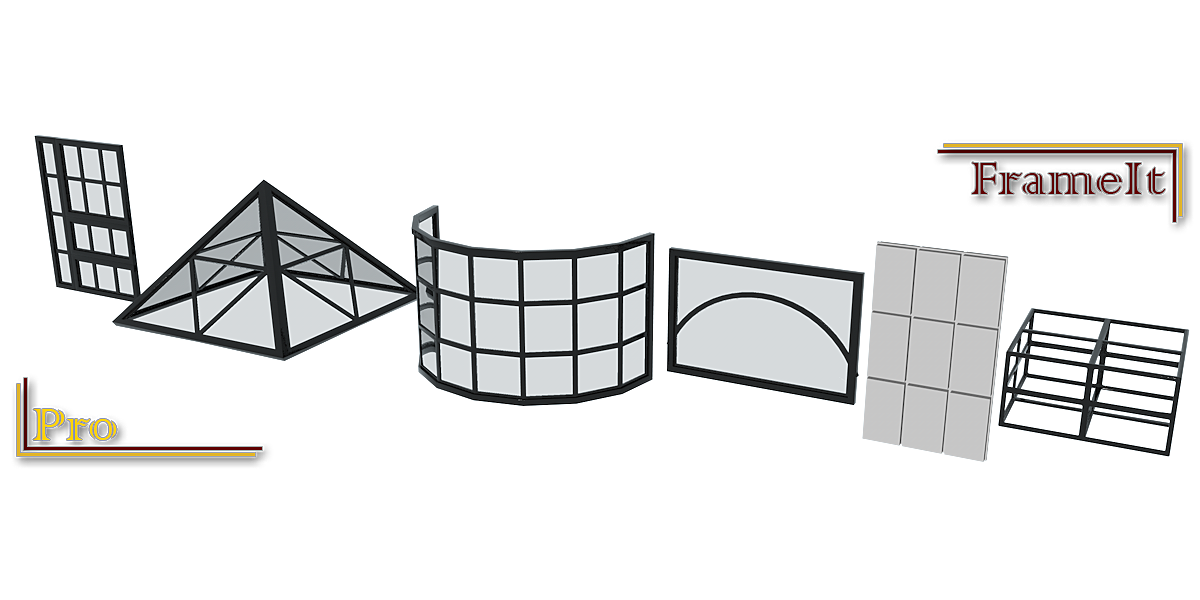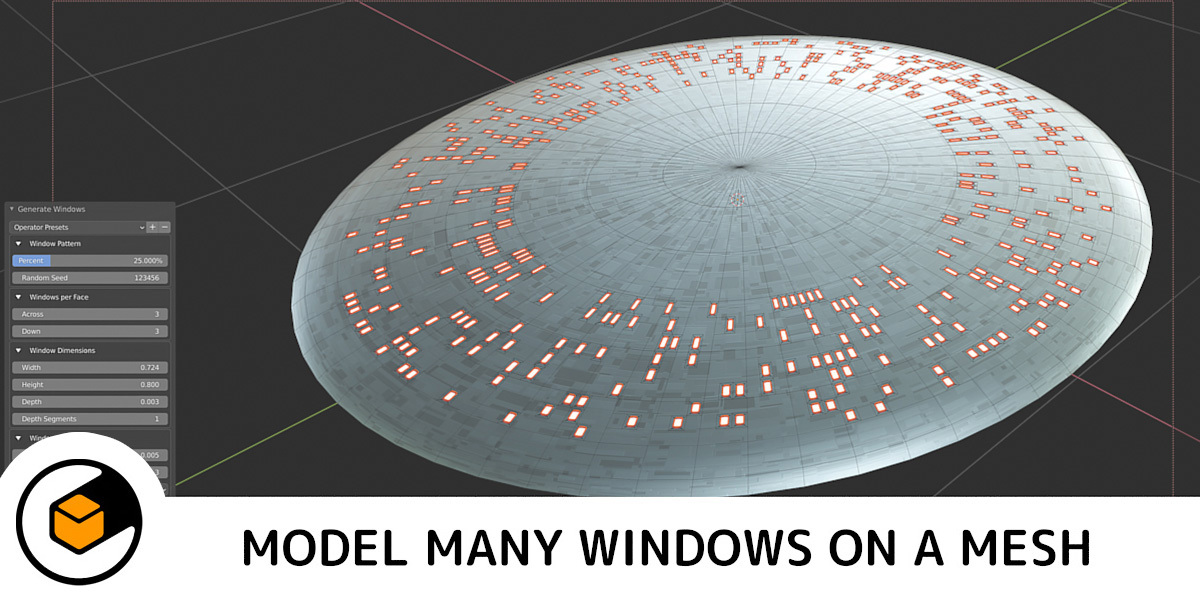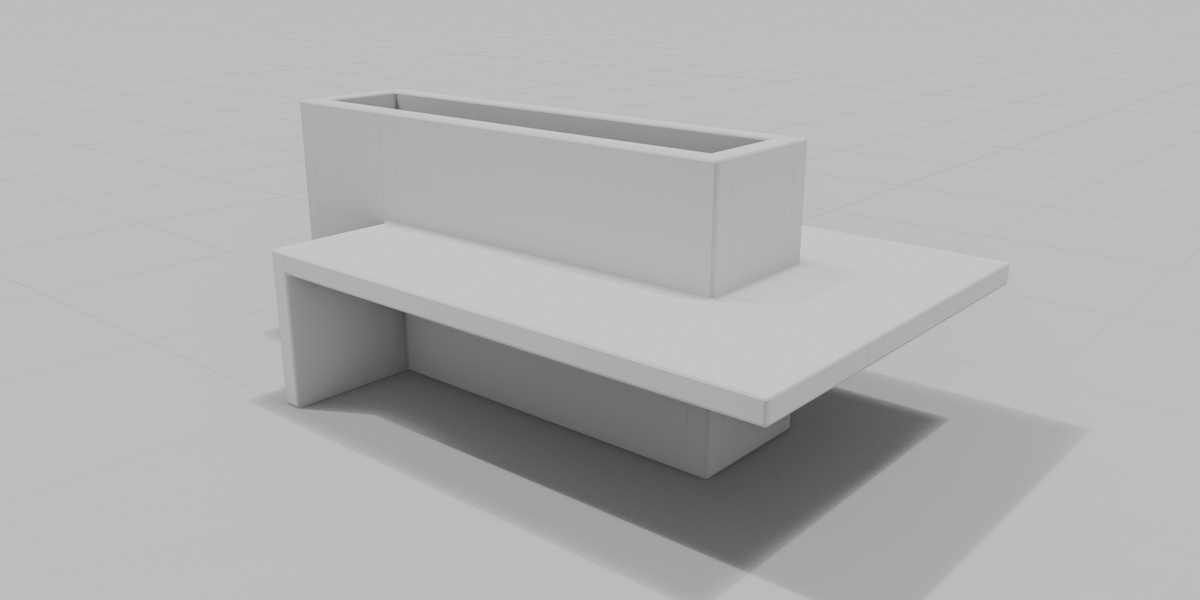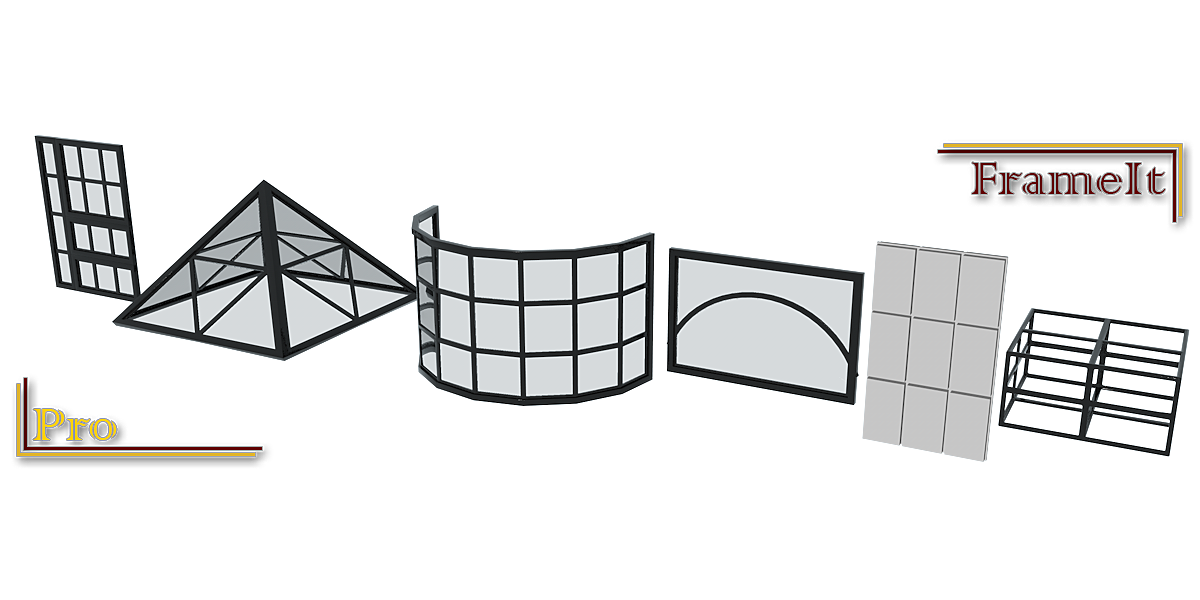
Frameit Pro is a Blender add-on that turns polygon geometry into a frame assembly with mullions and panels in one operation. Run it on an object to work across its polygons, or select faces in Edit Mode to limit the result. It can also create materials for Cycles or Eevee. The Frameit Pro documentation describes its controls and geometry options.
Choose which faces form the assembly
Frameit Pro works in Object Mode and Edit Mode. Set the frame size, depth and offset, then adjust the Frame Max Angle, which controls the angle between polygons used for frame creation. You can leave out the frame, mullions or panels when you only need some parts of the assembly. Mullions have separate size, depth and offset controls; panels have depth and offset controls.
Adjust bevels and keep the result editable
Use Global Bevel to apply one bevel value across the elements, or set bevel values separately for the frame, mullions and panels. Depth and bevel are applied as modifiers, and the product listing describes the features as parametric and editable in modifier properties. The documentation says the generated parts are parented to an Empty object named Assembly.
Choose how to handle geometry and materials
The Preserve Original Object option controls whether the source geometry remains. Frameit Pro can create a default material for each generated element. Enable Reuse Default Materials to reuse those materials on later assemblies; turn it off when separate assemblies need independent material sets.
Version and compatibility details
The marketplace listing identifies version 1.1.1 and notes a fix for material handling related to Principled BSDF names. Its compatibility field reports Blender 3.0–5.0, while the release notes say version 1.1.0 switched compatibility to Blender 4.0 and above; the version 1.0.1 note says Blender 3.0 and above. Check the developer's current instructions for the Blender version you use.
The documentation warns that beveling many faces may freeze or crash Blender. For a dense mesh, try the operation on a low-poly version first.