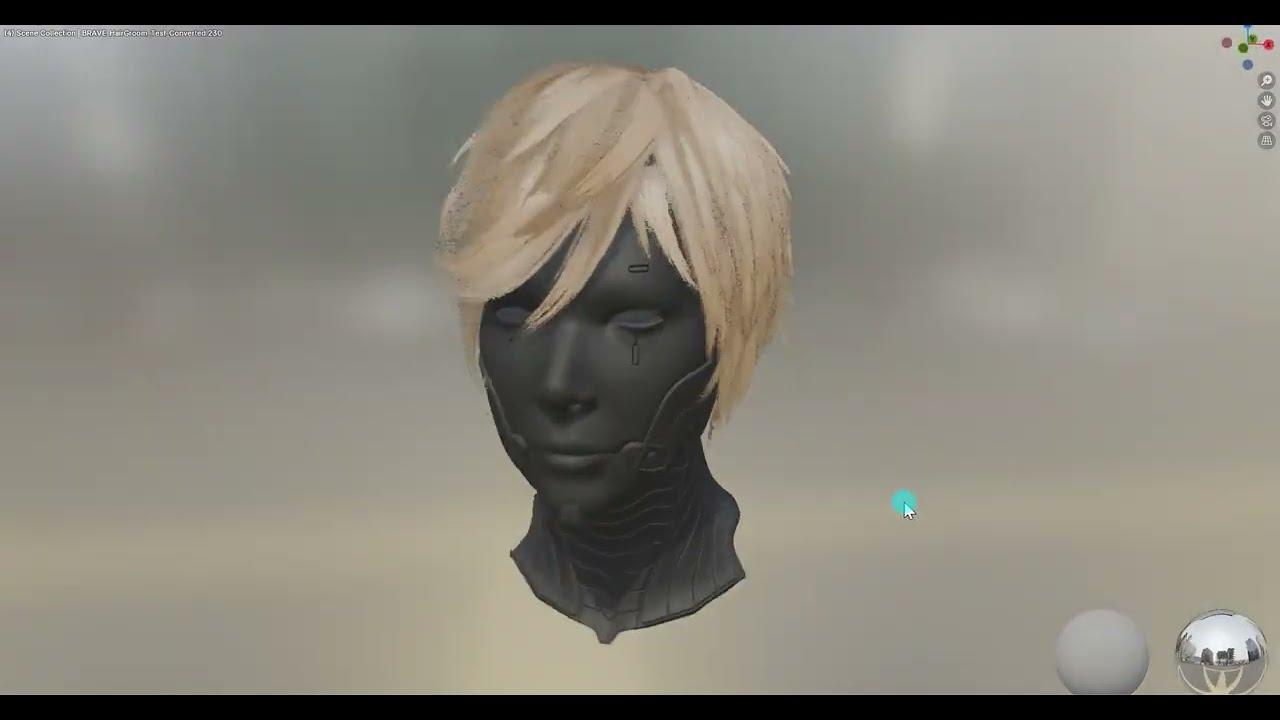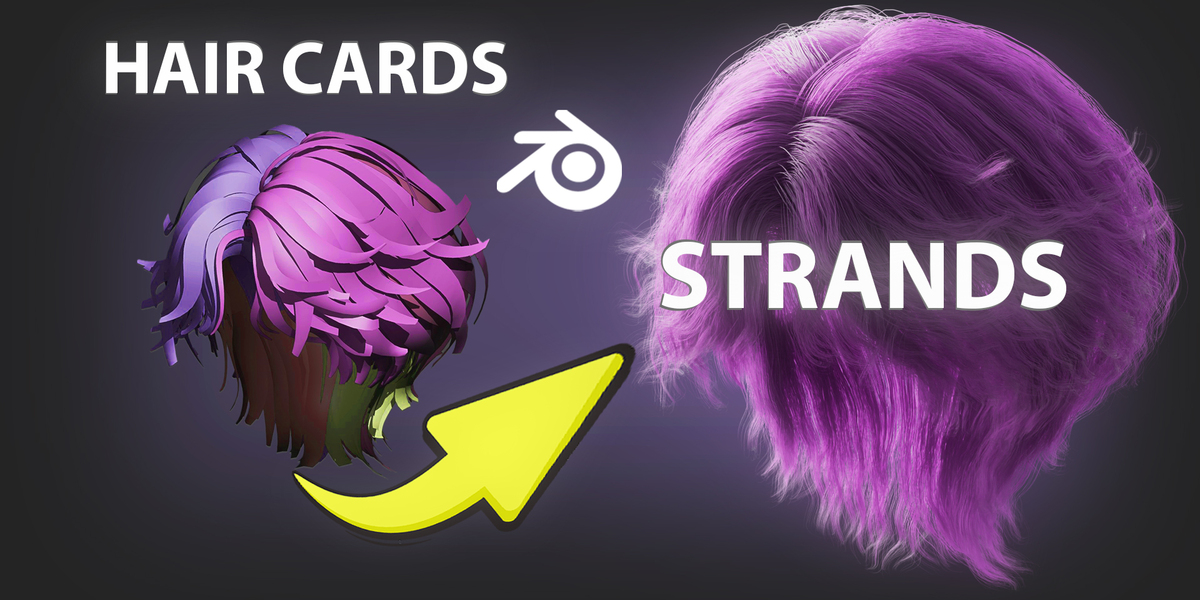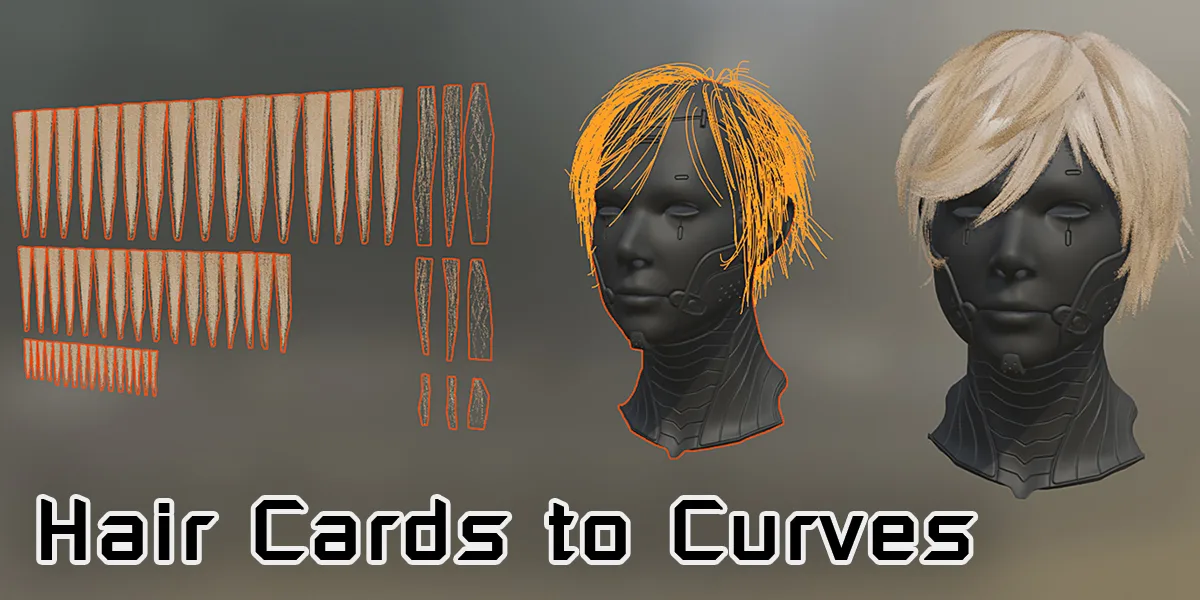
Hair Cards To Curves is a Blender add-on by d4psa for placing hair cards on hair guides. It combines a converter for ZBrush Fibermesh exports with length-based sorting, seeded card placement, and controls for adjusting the groom.
Build hair guides from Fibermesh
The Fibermesh Converter turns a Fibermesh object exported from ZBrush into individual curve objects that can be used as hair guides in Blender. The documented workflow then lets you sort selected hair cards and guides into 2 to 10 collections by length. Each collection name includes its length range, which helps organize the inputs before placement.
Place cards on guides with a repeatable seed
Place Cards on Guides chooses card variations from the length-sorted collections and puts linked duplicates on guides with matching lengths. Each card is scaled to match the length of its assigned guide. With the same object selection and randomization seed, the add-on produces the same placement; changing the seed creates a different variation.
Adjust placement across the groom or per card
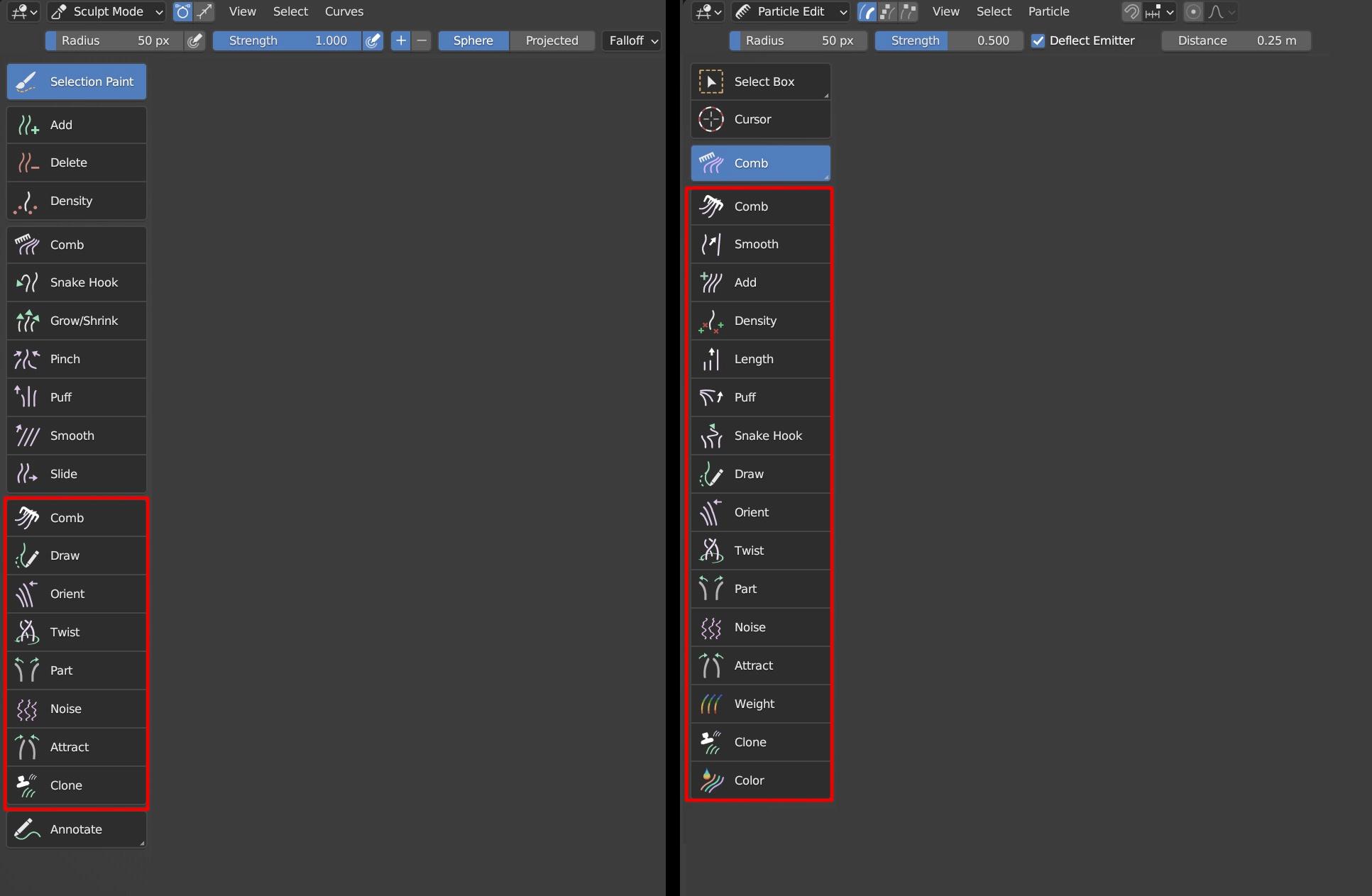
Global Hair Card Modifiers let you change placement and scale across all placed cards, with adjustments applied live for interactive editing. Individual Hair Card Modifiers provide separate placement and scale controls for each card and an option to edit the properties of its assigned guide. You can also edit curve points individually. For example, changing a point's tilt can rotate a card along the curve; proportional editing is enabled by default.
Installation and Blender versions
The documentation says drag-and-drop installation should work. It also describes manual installation through Edit > Preferences > Add-ons > Install from Disk; after installing, enable the add-on. It should then appear in the 3D Viewport sidebar, opened with the small arrow at the upper-right corner.
The listing gives a Blender version range of 3.0 to 4.5. The developer says the add-on was developed for Blender 4.5 LTS and tested on Blender 3.0.0, and assumes compatibility with the versions in between. That statement does not confirm that every intermediate version was tested.