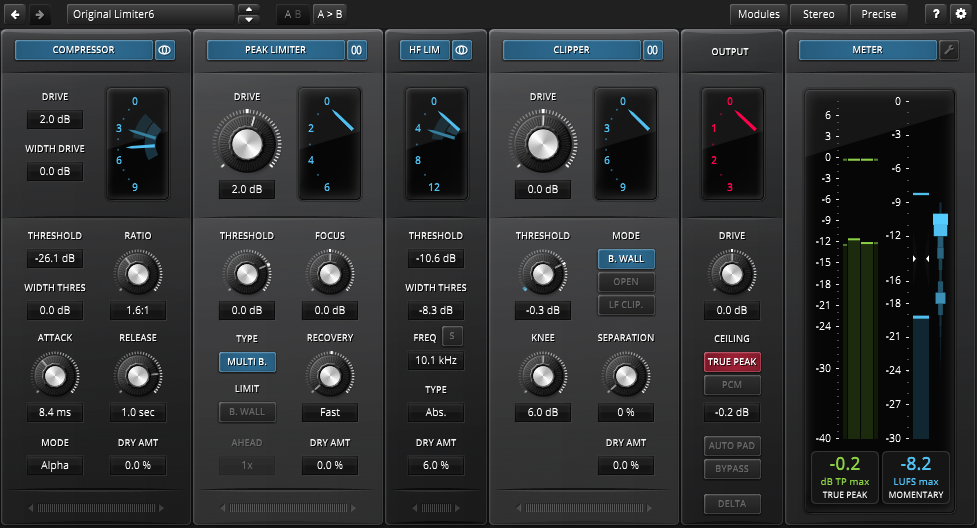
What TDR Limiter 6 GE does
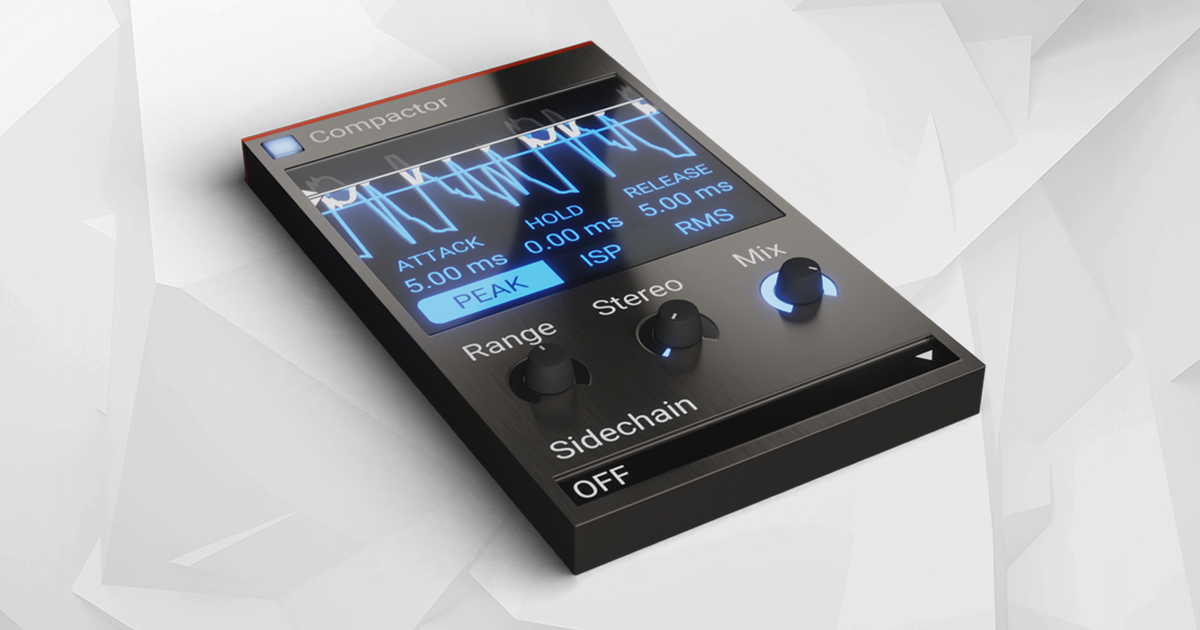
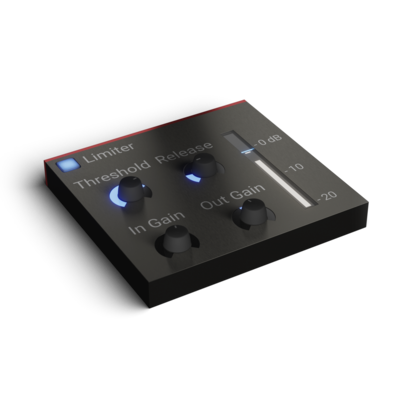
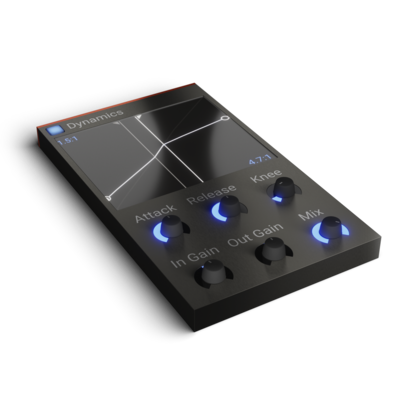
TDR Limiter 6 GE is a modular dynamics processor for mix-bus work and loudness control. Its six modules cover compression, high-frequency control, clipping, peak limiting, output protection and metering. You can arrange the four main processing modules to suit the material; the output and meter modules stay at the end of the chain.
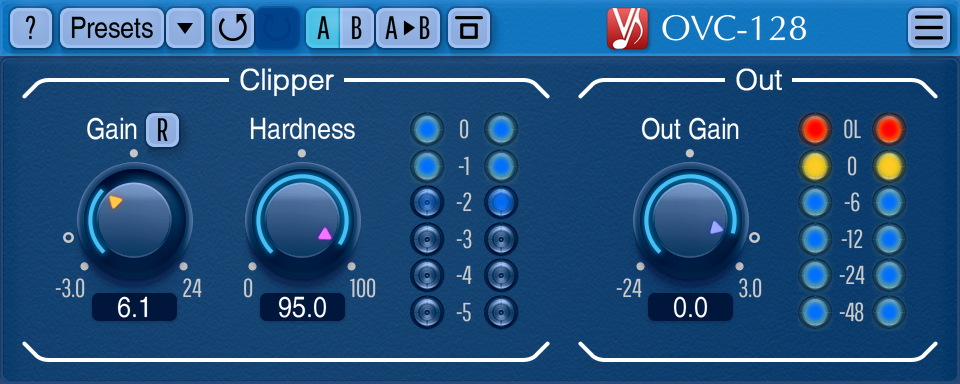
The modules handle different kinds of signal changes. The compressor works on longer dynamic events, while the lookahead peak limiter controls shorter peaks. The clipper handles very brief peaks and offers brick-wall, open and low-frequency modes, plus an upward control. Hard clipping can distort complex tonal material, so the manual recommends using it where the signal can tolerate it. The high-frequency limiter reduces excess treble by dynamically controlling a high-pass band. Its absolute mode responds to an HF threshold; relative mode responds to the balance between the HF band and the full signal.
Build and compare a chain
Start by learning the modules separately and switching off stages the material does not need. The factory presets provide starting points, and the A/B control lets you compare two parameter states. Drag the module handles or use the arrow controls to change the order.
One starting sequence is compressor, peak limiter, then clipper, with each stage handling shorter events. A compressor before the clipper can keep bass and tonal content below the clipping threshold, leaving the clipper to catch brief peaks. Putting the clipper first can flatten short transients before they reach the compressor, changing how it responds. The better order depends on the source and the amount of processing.
Output protection and loudness meters
The output limiter catches remaining overshoots at a PCM or True Peak ceiling. Tokyo Dawn Labs recommends keeping this final stage’s gain reduction low and doing heavier work with the compressor, peak limiter or clipper. The meter reports PCM and true-peak levels, EBU R128 loudness and loudness range, plus Zwicker loudness, which depends on SPL calibration of the monitoring system. Processing-quality options include Eco, Precise, Insane and Low Latency modes; the plugin also has optional 16-bit TPDF dither.
Compatibility, demo and license
The product requires a VST2, VST3, Audio Unit or AAX-compatible plugin host. Its listed system requirements are Windows Vista or later, Mac OS X 10.9 or later, or Linux x86-64 with GLIBC 2.14 or later. Check that your host supports the format you plan to use.
The demo has no time limit, but automatic recall is disabled. The product page lists a personal or small-business license at €36, with EU VAT included where applicable; all sales are final, and purchase confirms that the demo runs on your system. The EULA grants a perpetual license with free updates. Under the EULA, one licensed user may install it on up to five single-user computers; each person using the software needs their own license.
The range of modules and routing choices suits users who want to tailor compression, transient control and output limiting in one plugin. It involves more setup than a limiter used only to set a final ceiling.