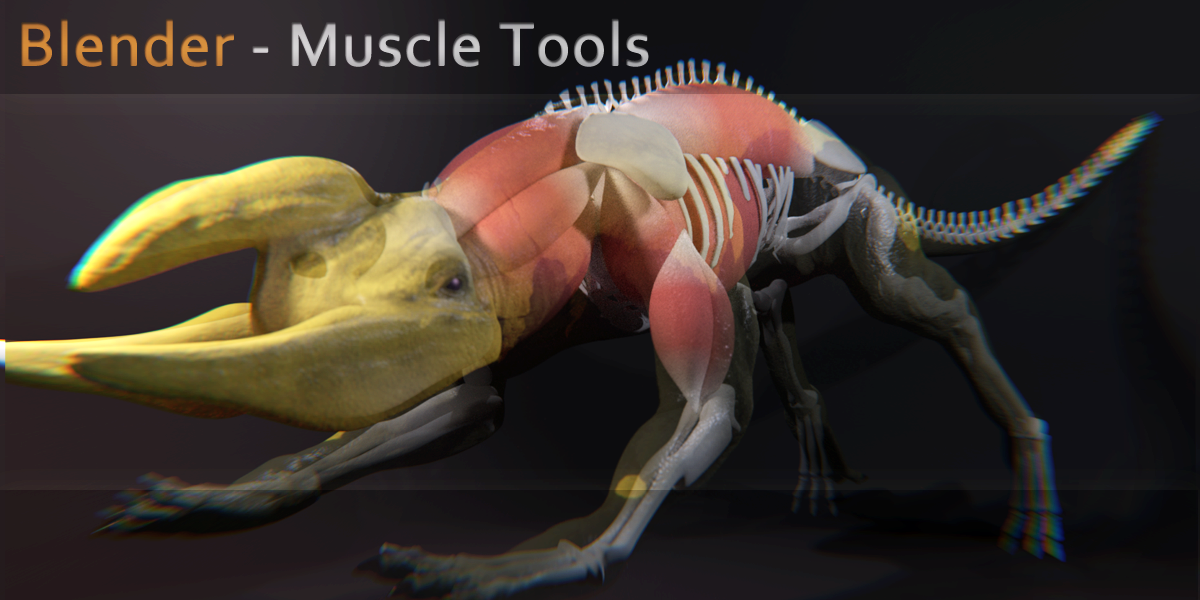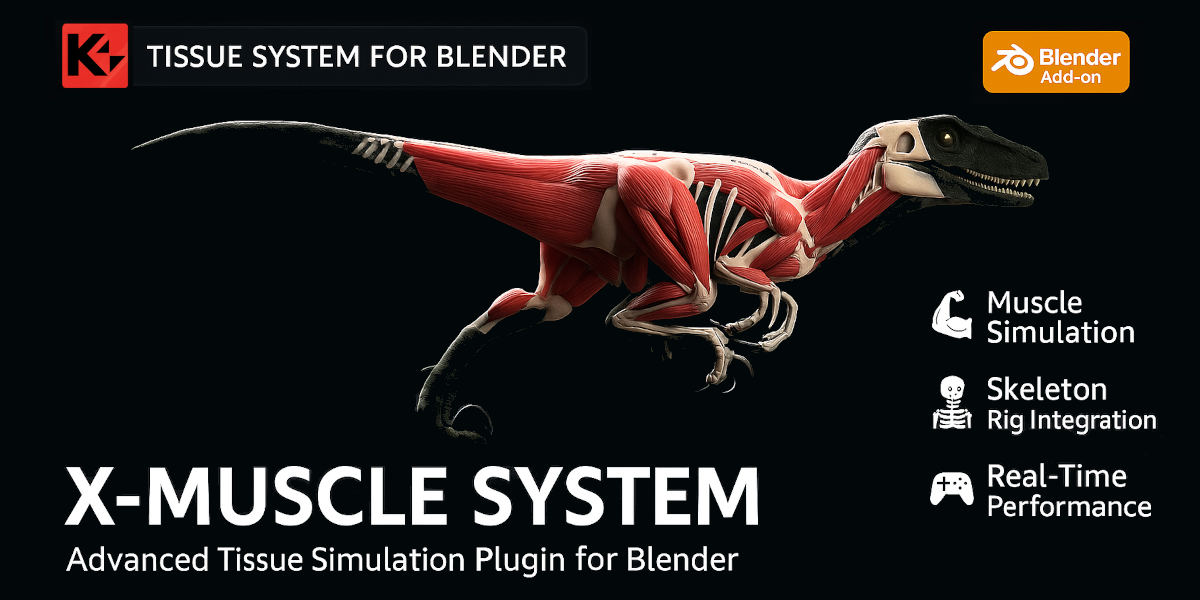
X-Muscle System is a Blender add-on for building character musculature and simulating organic tissue. It combines adjustable muscles, rigging tools, mirroring, and physically based tissue simulation. The Superhive product listing describes it as a way to visualize skin deformation around muscles, fat, and skeletal structures.
Build muscles around a character rig
The add-on includes flexor and extensor muscle types, with animatable controls for size, properties, and controllers. It supports Shape Keys on muscles and body meshes, as well as body meshes that use Blender’s Mirror modifier. Auto-Aim can attach muscles to bones, and body auto-weight painting provides scope controls for muscles and controllers.
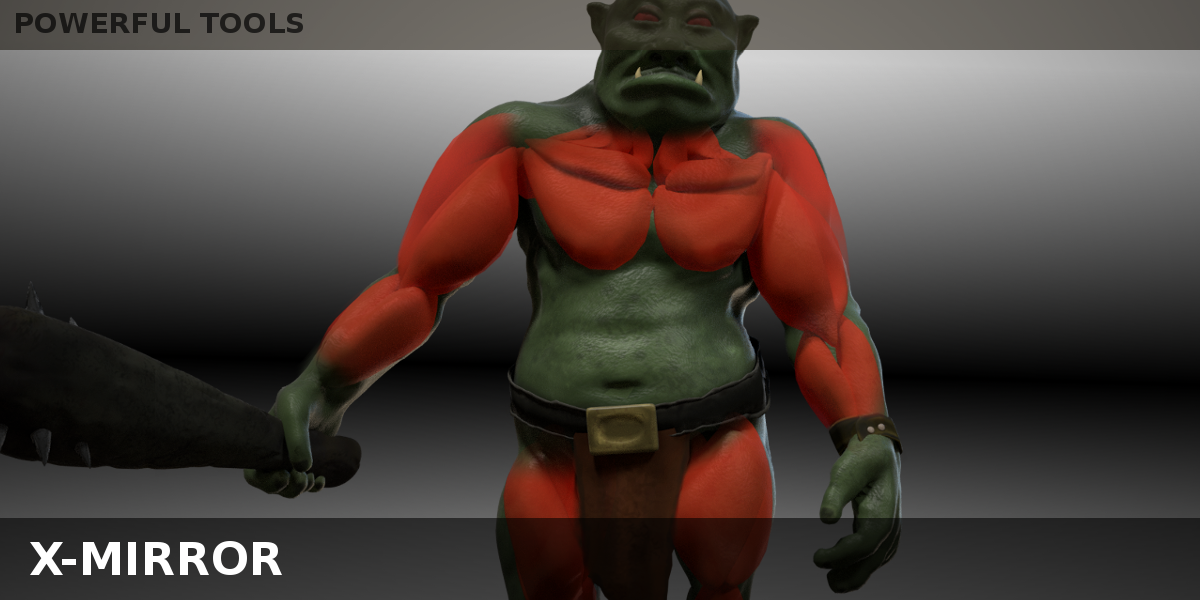
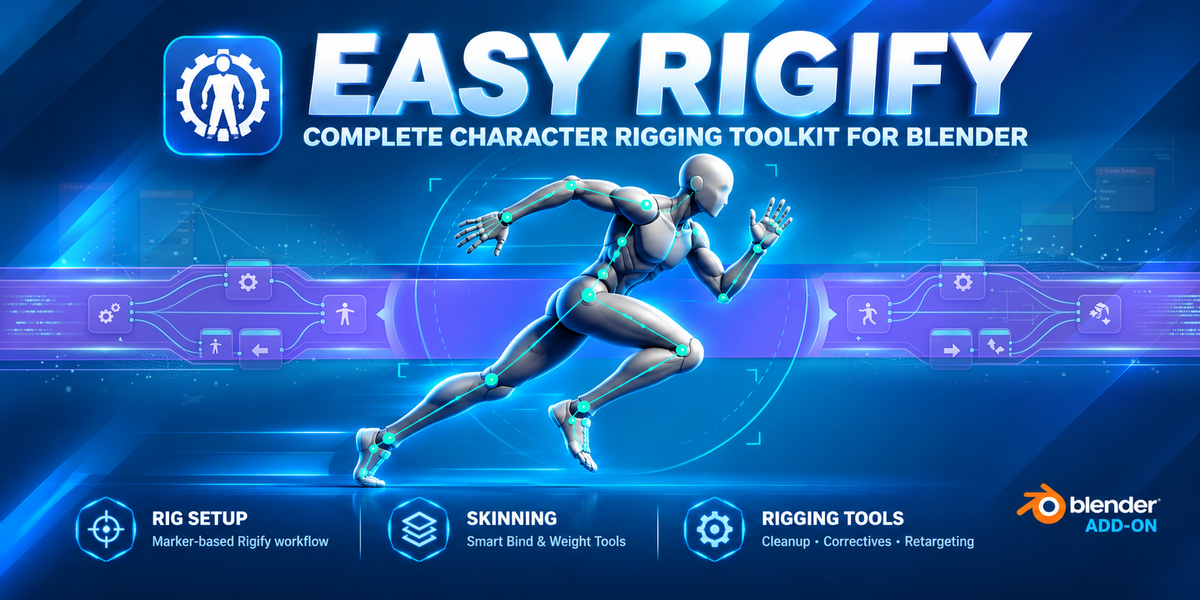
X-Mirror copies tissue shape, properties, and behavior across the rig. The Muscle Pinning Manager and Bendy Muscles let tissue follow a bone chain. The product listing also names support for custom rigs and armatures such as Rigify, Pitchipoy, ManuelBastioniLAB, BlenRig 5 and 6, and Auto-Rig Pro.
Simulate tissue and inspect deformation
X-Muscle System’s physical simulation can add jiggle to muscles and represent soft tissue such as fat, breasts, buttocks, cheeks, or skin folds. The developer also describes using the system for rigid structures such as bones. Display tools help inspect the components while working, and micro skin controllers provide additional control over deformation.
Check the included models and Blender compatibility
The included Anatomy Bundle depends on the edition. Superhive’s FAQ says Standard includes a rigged human male V1 skeleton. XL includes human male V1 and V2, human female, horse, cat, dog, and carnivore dinosaur skeletons. The product listing says the bundle meshes are 100% quads. It also cautions that the skeleton models are not medical anatomy references.
The Superhive listing shows Blender 2.9–5.3 and marks the add-on as Extension Compatible. Its FAQ also contains older, conflicting version guidance, so check the current release notes for the exact Blender version you plan to use. The documentation page links to PDFs, examples, and video tutorials.
Review export and licensing details
The developer’s FAQ describes several export routes for character deformation, including MDD, corrective Shape Keys, displacement maps, and Alembic. The listing gives the add-on a GPL license, while the FAQ says the included skeleton models use a Royalty Free License. Check the current terms for the specific files and use you have in mind.